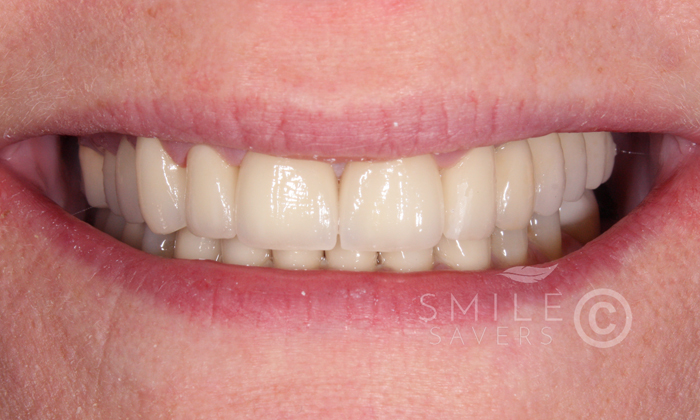
A loose denture at dinner, a visible gap in photographs, or the fear of smiling without covering your mouth can make tooth loss feel far bigger than a dental problem. When comparing dental implants vs removable dentures, the real question is not simply which option replaces teeth. It is which one gives you the comfort, confidence, function and value that fit your life.
Both treatments can restore a smile successfully. The right choice depends on the condition of your mouth, how many teeth need replacing, your budget, your health and how you want your teeth to feel day to day. One solution is not automatically better for every patient. But the differences are significant, especially when you are making a long-term decision.
Dental implants vs removable dentures: the core difference
Dental implants are small titanium fixtures placed in the jawbone to replace tooth roots. Once they have integrated with the bone, they can support a single crown, a bridge or a full fixed arch of replacement teeth. They stay in place, so you clean them in your mouth and do not remove them before bed.
Removable dentures sit on the gums and replace several or all missing teeth. They may be held in place by their shape, dental adhesive or, in some cases, attachments connected to implants. Conventional dentures can be a practical, lower-cost way to restore appearance and basic function, particularly when several teeth are missing.
The biggest distinction is stability. Implants are designed to act as a fixed foundation. Removable dentures are designed to come out. That difference affects eating, speaking, maintenance, treatment time and how natural the result feels.
How they feel in everyday life
For many people, the daily experience is what settles the decision. Well-made dentures can look attractive and help you speak and eat more comfortably than you could with missing teeth. Yet they still rest on soft tissue. Over time, the jawbone and gums change shape, so a denture that once fitted well may begin to move, rub or need adjustment.
Implant-supported teeth feel more secure because they are anchored to the jaw. Patients often find they can eat a wider range of foods, speak without worrying that their teeth will shift and laugh freely in social situations. There is no plate covering the roof of the mouth with a fixed upper implant bridge, which can also make food taste more natural for some patients.
That said, implants are not a magic shortcut. They require surgery, careful planning and a healing period. If you are anxious about procedures, have medical considerations or need teeth replaced quickly for a specific event, a removable denture may be the more suitable immediate route. A dentist can also provide a temporary solution while implants heal.
The long-term effect on your jawbone
After a tooth is lost, the jawbone no longer receives the stimulation created by chewing through that tooth root. Gradually, the bone can shrink. This may alter facial support and make it harder for a denture to stay stable over the years.
Dental implants transfer chewing forces into the jawbone, helping to preserve bone where the implant is placed. This is a major reason implants are often recommended for long-term tooth replacement. They do not stop every natural change in the face and jaw, but they can reduce the bone loss associated with missing teeth.
Conventional dentures do not provide this root-like stimulation. They can remain an effective treatment, but relines, adjustments and eventual replacement are normal parts of denture care. For patients who have worn dentures for many years, reduced bone volume can sometimes make implant treatment more complex. Bone grafting may be considered where clinically appropriate.
Cost: the upfront price is only part of the picture
Removable dentures usually cost less at the beginning. That makes them an understandable choice when funds are limited or when a patient needs a prompt restoration after multiple extractions. A quality denture can make an immediate difference to appearance and confidence without the initial cost of surgery.
Implants have a higher upfront cost because treatment includes detailed diagnostics, surgical placement, high-quality components and the final teeth. Full-arch implant treatment is a significant investment. However, it may offer greater stability and fewer recurring fit issues over the long term.
It is worth comparing whole-treatment value rather than only the first quote. Ask what is included in the plan: scans, extractions if needed, temporary teeth, implant components, laboratory-made restorations, follow-up appointments and aftercare. A low figure that leaves out key stages can become costly and stressful later.
For UK patients facing high private treatment fees, cross-border care can make advanced implant treatment more accessible. Smile Savers combines London-based consultations and aftercare with specialist treatment in Budapest, helping patients access premium restorative dentistry at substantially lower prices than many UK private quotes, with a managed journey rather than a do-it-yourself trip.
Treatment time and commitment
Dentures can often be made relatively quickly, although gums need time to heal after extractions and several fittings may be required to achieve a comfortable result. They also need daily removal and cleaning, plus regular reviews as your mouth changes.
Implant treatment takes more commitment. Planning starts with scans and an assessment of bone, bite and overall oral health. Following implant placement, the bone needs time to bond with the implants before the definitive teeth are fitted. Some patients can receive fixed temporary teeth on the same day, while others need a staged approach. The timeline depends on the number of implants, bone quality and whether extra preparatory work is needed.
For the right candidate, the extra time can be worthwhile. The aim is not simply to place implants quickly, but to build a stable result that works with your bite, appearance and long-term health.
Are implant-retained dentures a middle ground?
Yes. For many denture wearers, implant-retained dentures offer a valuable balance between affordability and stability. A removable denture is secured to a small number of implants using clips or attachments. It can be removed for cleaning, but it is far less likely to lift or move during the day.
This option may suit someone who wants more confidence when eating and speaking but does not want, or does not need, a fully fixed bridge. It can be particularly helpful for a lower denture, where movement is often more noticeable. The best design depends on your anatomy, bite and expectations, so it should be planned individually rather than treated as a one-size-fits-all package.
Who is usually suited to each option?
Removable dentures may be right if you need an economical solution, prefer to avoid surgery, require a temporary replacement while considering future treatment, or have health factors that make implant placement unsuitable. They can also be a sensible choice when expectations are realistic and the denture is carefully designed and maintained.
Dental implants may suit you if you want a fixed solution, are frustrated by a loose denture, want stronger chewing ability or need to replace one tooth, several teeth or an entire arch. You need sufficient bone or a viable plan to build support, good day-to-day cleaning habits and a willingness to attend follow-up care.
Smoking, uncontrolled medical conditions and poor oral hygiene do not always rule out implants, but they can affect healing and long-term success. A responsible clinician should discuss these factors plainly, not promise that every patient is an instant candidate.
Questions worth asking before you decide
A good consultation should leave you clear about more than the price. Ask how stable your proposed teeth will be, what maintenance they need, how long treatment will take and what happens if your mouth changes over time. Ask to see the planned final result and understand whether you will have temporary teeth during healing.
You should also ask about clinician experience, the implant system being used, laboratory standards and the plan for aftercare once you return home. For treatment involving travel, coordination matters. A clear schedule, realistic recovery guidance and a named team for support can turn a major dental decision into a far more manageable experience.
Your best option is the one that gives you a result you can live with comfortably, confidently and within a budget that feels sustainable. Whether that means a well-made removable denture, an implant-retained option or fixed implant teeth, the right plan should help you stop managing your smile and start enjoying it again.