Initial Consultations • Fully Costed Treatment Plans • Implants • Hygiene Sessions • Fillings • Extractions • Crowns • Bridges • Veneers
Range of Implants • Full surgical procedures • Dentures • Cosmetic procedures • Largest clinic in Budapest • On-site technicians • Biggest Savings
Check-ups • Hygiene Treatments • Adjustments • On-going Care
Initial Consultations • Fully Costed Treatment Plans • Implants • Hygiene Sessions • Fillings • Extractions • Crowns • Bridges • Veneers
Range of Implants • Full surgical procedures • Dentures • Cosmetic procedures • Largest clinic in Budapest • On-site technicians • Biggest Savings
Check-ups • Hygiene Treatments • Adjustments • On-going Care
Our mission at Smile Savers is to truly transform your teeth. Your looks. And your life. With minimal hassle. At a minimal cost…
The prices we offer for a full range of truly top quality dental treatments are around 60% less than those normally charged in the UK.
To ensure you get the ultimate result in the shortest possible time, Smile Savers’ work exclusively with the world-renowned Implant Centre in their state-of-the-art clinics, based in London and beautiful Budapest – a leading global centre of dental excellence.
And, as Smile Savers’ brilliant client testimonials show, we take care of every detail of your treatment programme, safeguarding not just your teeth – but your whole wellbeing and peace of mind.
So that you can just relax…and get ready to SMILE!
Tell Me More...SMILE! A beautiful, healthy smile gives you so much more than just a pretty face. And increased self-esteem. Latest research from the Oral Health Foundation shows that well-cared for teeth and gums play a major part in maintaining a healthy brain and body – offering protection from a range of conditions including heart issues, cancer, dementia and diabetes.
SMILE! Smile Savers offer the best possible new outcome for your teeth, looks and all round well-being – in around ½ of the time – for around 1/3 of the UK price.
SMILE! UK-based Smile Savers offer convenient, low-cost initial consultations and check-ups at the Implant Centre’s stylish London clinic. Following up, we’ve sent more than 7,000 happy customers for a range of life-transforming dental treatments to the Implant Centre’s luxurious, award-winning clinic in Budapest. And, over the last 14 years, we’ve enjoyed truly impressive results. Check out our brilliant Patient Testimonials and amazing transformations in our Smile Studio. They speak for themselves…
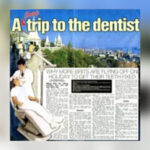
SMILE! Plus! Combine your treatment with an uplifting break in beautiful Budapest: enjoy brilliant history, culture and amazing thermal spas – with a vibrant, modern city buzz – on the banks of the dreamy Danube.
And return with a transformed SMILE!